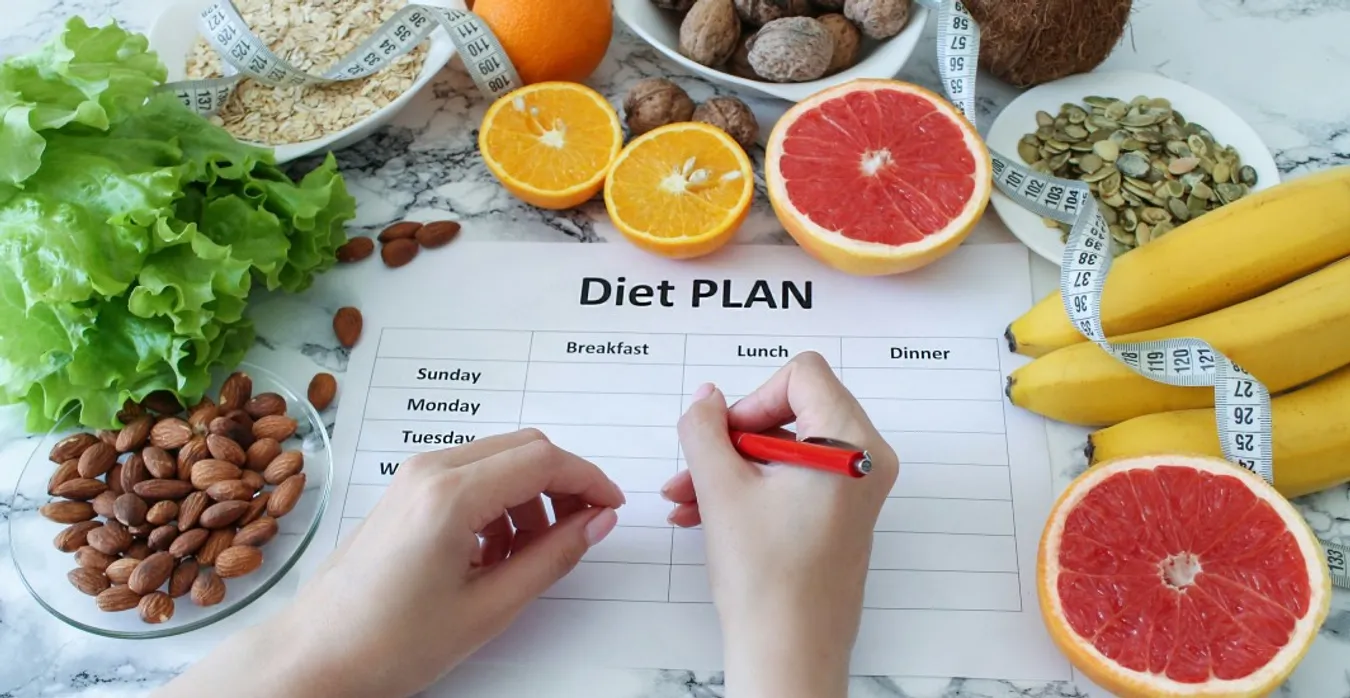
Sustainable weight loss is not about quick fixes or extreme restrictions. It is built on realistic eating habits that support your metabolism, preserve energy, and fit naturally into daily life. The most effective diet strategies focus on long-term consistency rather than short-term results.
This article outlines practical, science-backed diet tips that help you lose weight steadily while maintaining overall health.
Prioritize Nutrient-Dense Foods
Weight loss becomes easier when your meals are rich in nutrients and lower in empty calories. Nutrient-dense foods keep you full while supplying essential vitamins and minerals.
Focus on:
- Vegetables and fruits with high fiber content
- Lean protein sources such as eggs, fish, beans, and legumes
- Whole grains instead of refined carbohydrates
- Healthy fats from nuts, seeds, and olive oil
These foods support satiety and reduce overeating.
Eat Enough Protein at Every Meal
Protein plays a critical role in preserving muscle mass and controlling appetite during weight loss.
Benefits of adequate protein intake:
- Increases feelings of fullness
- Reduces cravings between meals
- Supports metabolism and muscle maintenance
Including protein in every meal helps prevent blood sugar spikes and energy crashes.
Practice Portion Control Without Extreme Restriction
You do not need to eliminate entire food groups to lose weight. Learning portion awareness allows flexibility without excess.
Effective portion strategies include:
- Using smaller plates and bowls
- Serving meals in the kitchen instead of at the table
- Eating slowly and stopping when satisfied
This approach encourages mindful eating rather than deprivation.
Choose Whole Carbohydrates Over Refined Ones
Carbohydrates are not the enemy. The type and quantity matter far more than elimination.
Healthier carb choices include:
- Brown rice, oats, and quinoa
- Sweet potatoes and whole grains
- Fruits instead of sugary desserts
Whole carbohydrates digest more slowly, keeping you full longer.
Stay Consistently Hydrated
Hydration supports digestion, fat metabolism, and appetite regulation. Mild dehydration is often mistaken for hunger.
Helpful hydration habits:
- Drink water before meals
- Carry a reusable water bottle
- Limit sugary drinks and alcohol
Proper hydration supports weight loss without extra calories.
Plan Meals to Avoid Impulsive Eating
Planning reduces reliance on convenience foods that are often high in calories and low in nutrition.
Smart planning tips:
- Prepare meals at home when possible
- Keep healthy snacks readily available
- Plan grocery lists with intention
Consistency improves when healthy options are easy to access.
Avoid Extreme Dieting and Quick Fixes
Crash diets often lead to muscle loss, nutrient deficiencies, and weight regain. Sustainable weight loss focuses on habits you can maintain long-term.
Sustainable approaches emphasize:
- Gradual calorie reduction
- Balanced meals over elimination
- Lifestyle changes rather than temporary diets
Slow progress is more likely to last.
Pay Attention to Hunger and Fullness Signals
Learning to recognize genuine hunger versus emotional eating is essential for sustainable weight loss.
Mindful eating helps you:
- Prevent overeating
- Improve digestion
- Build a healthier relationship with food
Awareness often leads to better results than strict rules.
Frequently Asked Questions (FAQ)
1. How much weight loss is considered sustainable?
A steady loss of 0.5–1 pound per week is generally considered sustainable and healthy.
2. Do I need to count calories to lose weight?
Calorie counting can help some people, but portion awareness and food quality can be equally effective.
3. Can I still enjoy treats while losing weight?
Yes, occasional treats in moderation help maintain consistency and prevent burnout.
4. Is skipping meals effective for weight loss?
Skipping meals often leads to overeating later and is not ideal for long-term success.
5. How important is meal timing for weight loss?
Meal timing matters less than overall food quality and consistency, though regular meals support energy balance.
6. Does eating late at night cause weight gain?
Weight gain depends on total daily intake, not the time of eating alone.
7. How long does it take to see lasting results?
Most people notice sustainable changes within 6–8 weeks of consistent habits.
By focusing on realistic, balanced diet strategies, sustainable weight loss becomes achievable and maintainable. The goal is not perfection, but progress that fits your lifestyle and supports long-term health.
