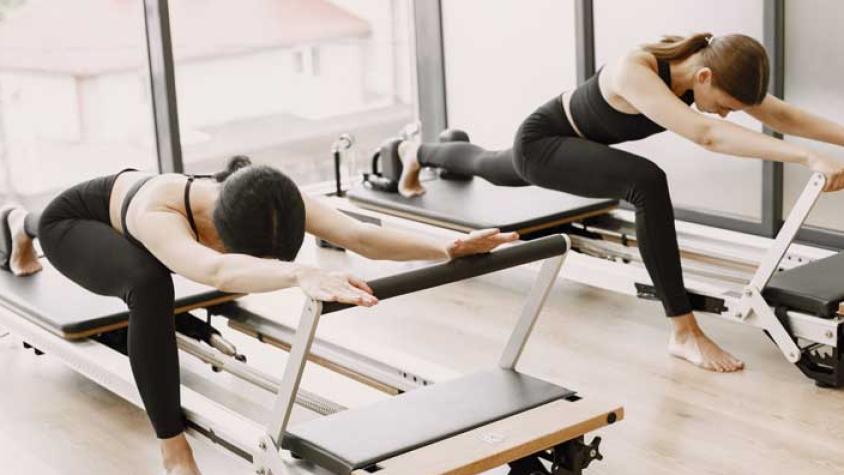
For many people struggling with joint stiffness, chronic pain, or early arthritis, finding a workout that strengthens without strain can be challenging. The pilates reformer offers a unique solution that merges low-impact resistance training with mindful movement, improving joint function, flexibility, and pain management in ways traditional workouts often cannot. In Singapore, where sedentary lifestyles and long working hours are common, Reformer Pilates is emerging as both a preventive and rehabilitative therapy.
Understanding the Connection Between Movement and Joint Health
Joint pain and arthritis limit mobility, but lack of movement worsens stiffness and discomfort. The key to recovery lies in controlled, targeted motion that encourages lubrication and muscle balance. Reformer Pilates achieves this through a structured approach combining resistance, alignment, and mindful breathing.
Each movement on the reformer targets stabiliser muscles around the joints, especially the hips, knees, and shoulders. By strengthening these supporting muscles, practitioners experience greater stability and reduced load on inflamed areas.
Why Reformer Pilates Works for Joint and Arthritis Care
The reformer machine uses adjustable springs, allowing precise control over resistance. This adaptability is what makes it suitable for rehabilitation and long-term care. It promotes joint-friendly strength without the compressive forces of weightlifting or running.
Key Benefits
-
Reduced inflammation: Gentle movement improves blood circulation, which aids nutrient delivery to the joints and reduces stiffness.
-
Improved flexibility: Gradual stretching of ligaments and tendons enhances range of motion, which is often limited in arthritis patients.
-
Better alignment: Exercises are guided to correct postural imbalances that cause uneven pressure on joints.
-
Core stability: A stronger core means less strain on peripheral joints such as knees and hips.
Each of these factors contributes to better overall movement patterns, helping individuals manage symptoms while maintaining independence in daily life.
Reformer Pilates as a Rehabilitation Pathway
Many physiotherapists now incorporate Reformer Pilates into rehabilitation programmes for post-surgical recovery or injury management. Because it offers support and resistance in equal measure, clients can engage muscles safely even when full weight-bearing movement is not yet possible.
Common Conditions Supported by Reformer Work
-
Knee or hip replacements
-
Shoulder impingements
-
Lumbar disc injuries
-
Chronic lower back pain
-
Early or moderate arthritis
In these situations, the controlled spring resistance helps retrain muscles to stabilise joints while avoiding overload. Over time, practitioners notice reduced pain, improved joint tracking, and better confidence in movement.
How Breathing and Mindfulness Amplify Healing
Reformer Pilates is not only about physical strength. Breathing plays a vital role in joint recovery. Deep diaphragmatic breathing during movement improves oxygen flow, reduces tension in surrounding muscles, and calms the nervous system, which can amplify pain perception.
In chronic pain management, this mind-body awareness is critical. Patients become more attuned to their movement quality rather than quantity, fostering consistency without fatigue or fear of pain recurrence.
Reformer Pilates vs Traditional Physiotherapy
While physiotherapy focuses on targeted rehabilitation of specific areas, Reformer Pilates complements it by addressing the entire kinetic chain. It creates harmony between muscles and joints rather than isolating movement.
A physiotherapist might prescribe isolated leg exercises post-knee surgery, whereas Reformer Pilates ensures the entire lower body works cohesively. This holistic activation accelerates recovery and helps maintain results long after therapy sessions conclude.
Customising Reformer Pilates for Arthritis and Pain Management
A major advantage of Reformer Pilates is its adaptability. Instructors can modify every exercise based on pain threshold and joint limitations. For example:
-
For knee arthritis: Focus on glute and core activation to reduce joint load.
-
For hip stiffness: Incorporate lateral leg work and hip rotations to improve joint lubrication.
-
For shoulder pain: Use straps and light resistance for gradual mobility restoration.
Consistency is key. Two to three sessions per week are ideal for visible improvement in strength and pain control.
Real-Life Impact: Stories of Transformation
Consider the example of a 58-year-old office worker in Singapore who had chronic knee pain from years of sitting and climbing stairs. After six months of Reformer Pilates, she regained mobility and now walks without discomfort. Another client recovering from a hip replacement reported improved posture and reduced limping within eight weeks of practice.
These outcomes are not isolated. Across rehabilitation studios, similar stories highlight how controlled reformer work delivers lasting change by teaching correct movement mechanics and reawakening underused muscles.
Integrating Reformer Pilates Into Daily Living
For lasting results, Reformer Pilates should complement an overall lifestyle approach. Small daily changes like posture correction, regular stretching, and balanced nutrition reinforce the improvements gained during sessions.
Those who sit for long hours at work can integrate micro-movements such as pelvic tilts or shoulder rolls between meetings to maintain mobility. Even short walks combined with reformer sessions improve circulation and joint function significantly.
Choosing the Right Instructor and Environment
Success depends heavily on guidance. Working with a certified instructor who understands both fitness and rehabilitation ensures exercises are correctly executed and safely progressed. Look for trainers experienced in joint-specific programmes, especially for arthritis care.
Studios like Yoga Edition in Singapore offer personalised sessions designed around functional movement and mindful strengthening, helping clients achieve tangible health improvements through professional supervision and customised reformer routines.
Building Confidence and Long-Term Consistency
Pain often leads to fear of movement, which worsens stiffness and weakens joints further. Reformer Pilates gently reintroduces motion in a safe and supported way. The controlled resistance creates a reassuring sense of strength without the fear of overexertion.
Once participants experience positive changes—such as climbing stairs more easily or waking up with less stiffness—they’re motivated to maintain consistency. This long-term adherence is crucial for sustaining joint health and slowing arthritis progression.
Practical Tips for Beginners Managing Joint Pain
-
Always start with professional guidance.
-
Warm up with gentle stretches or breathing before starting reformer work.
-
Listen to your body and avoid pushing through pain.
-
Focus on alignment and control, not speed.
-
Combine sessions with healthy hydration and anti-inflammatory nutrition.
Each of these small habits compounds over time to yield significant relief and better mobility.
FAQ
Q. Can people with severe arthritis do Reformer Pilates safely?
Yes, but they should begin under professional supervision. Resistance and movement range can be customised, allowing even those with severe arthritis to participate safely.
Q. How soon can one expect results for pain relief?
Most individuals notice improved flexibility and reduced stiffness within four to six weeks, provided they train consistently two to three times weekly.
Q. Are reformer sessions suitable for older adults with limited mobility?
Absolutely. The reformer offers supportive positions that remove joint pressure while still engaging muscles, making it ideal for seniors.
Q. Can Reformer Pilates replace physiotherapy entirely?
It can complement but not replace physiotherapy, especially after surgery. Once rehabilitation goals are met, Reformer Pilates becomes a maintenance and strengthening tool.
Q. How do I choose the right studio for therapeutic Reformer Pilates?
Select a studio that specialises in customised programmes, employs certified instructors, and prioritises mindful, low-impact movement designed around individual health needs.
