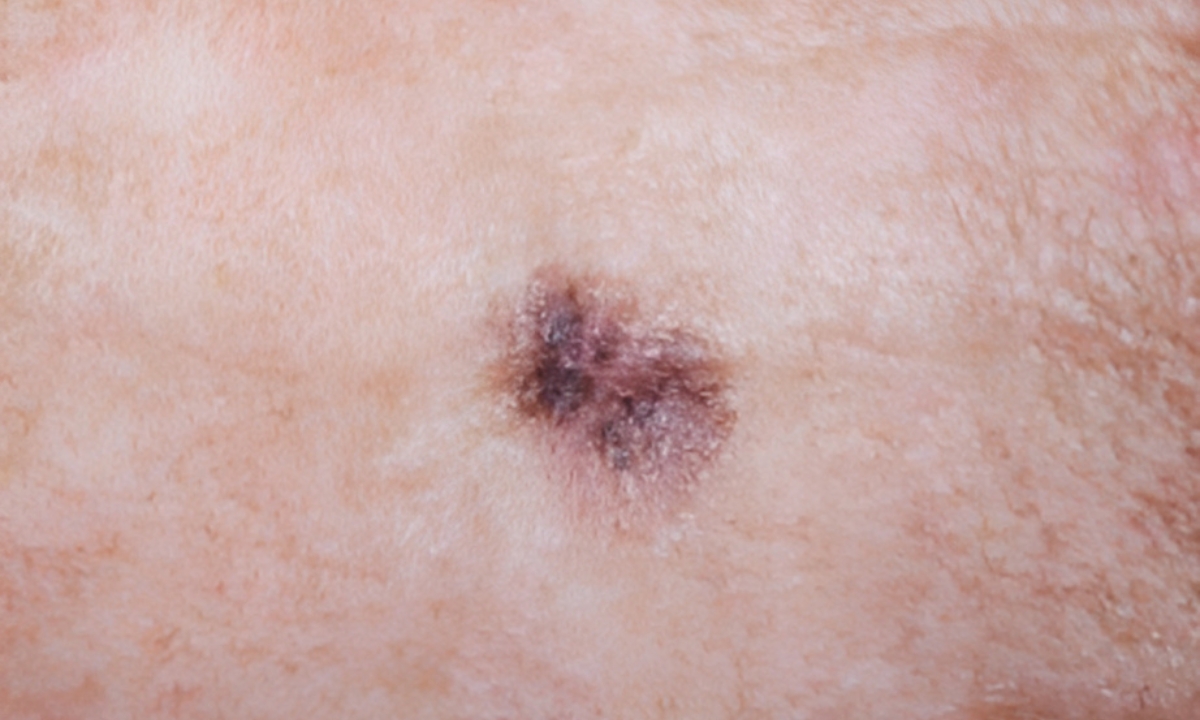
Skin cancer is one of the most prevalent forms of cancer globally, and Thailand is no exception. With its tropical climate and year-round sunshine, the country offers residents and visitors plenty of outdoor activities. However, increased sun exposure also heightens the risk of skin-related health issues, particularly skin cancer. To protect yourself, it is essential to learn about the types, skin cancer causes and stress the importance of recognising symptoms early.
Types of Skin Cancer
Skin cancer refers to the abnormal growth of skin cells, often triggered by prolonged exposure to ultraviolet (UV) radiation. There are three common types of skin cancer to understand.
- Basal Cell Carcinoma (BCC):
BCC is the most common type of skin cancer and typically affects areas with high sun exposure, such as the face and neck. It often appears as a small, pearly or flesh-coloured bump. BCC tends to grow slowly and rarely spreads to other body parts, making it the least aggressive type if detected early.
- Squamous Cell Carcinoma (SCC):
SCC is another common skin cancer that can develop in sun-exposed areas and, occasionally, in places less exposed to sunlight. It often manifests as a firm, red nodule or a flat, scaly lesion. Though more likely to spread than BCC, SCC remains treatable if identified in its early stages.
- Melanoma:
Melanoma is less common but far more aggressive. It typically begins as a mole or a dark pigmented spot with irregular borders. Melanoma requires immediate medical attention due to its ability to spread rapidly to other organs.
Protecting Against Skin Cancer Causes
While genetics and skin type play a role in skin cancer development, prolonged and unprotected exposure to UV radiation is one of the major skin cancer causes. Thailand’s strong sunlight and tropical heat make it necessary to adopt sun-safe habits year-round, including wearing sunscreen with a high SPF, seeking shade during peak sunlight hours, and wearing protective clothing, hats, and sunglasses.
Why Early Detection Matters
Catching signs of skin cancer early is critical in improving outcomes. Regular self-examinations can empower you to notice changes in your skin. Look for unusual growths, changes in the size, shape or colour of moles, and sores that refuse to heal. If something seems out of the ordinary, seek medical advice promptly.
Public awareness campaigns in Thailand have also supported early detection efforts. Some hospitals and community organisations hold skin health clinics and offer UV awareness initiatives to help individuals prioritise skin health.
Skin Cancer Awareness in Thailand
Given its climate, Thailand offers opportunities to both enjoy outdoor living and stay protected. By increasing awareness around the various skin cancer types, the risk factors specific to Thai living, and the significant benefits of early detection, individuals can take proactive steps in protecting their health.
Prioritising skin care and regularly monitoring your skin need not interfere with enjoying Thailand’s sunny climate. By adopting a few preventive measures and being vigilant about any changes in your skin, you can significantly reduce your risks while maintaining a vibrant outdoor lifestyle.
