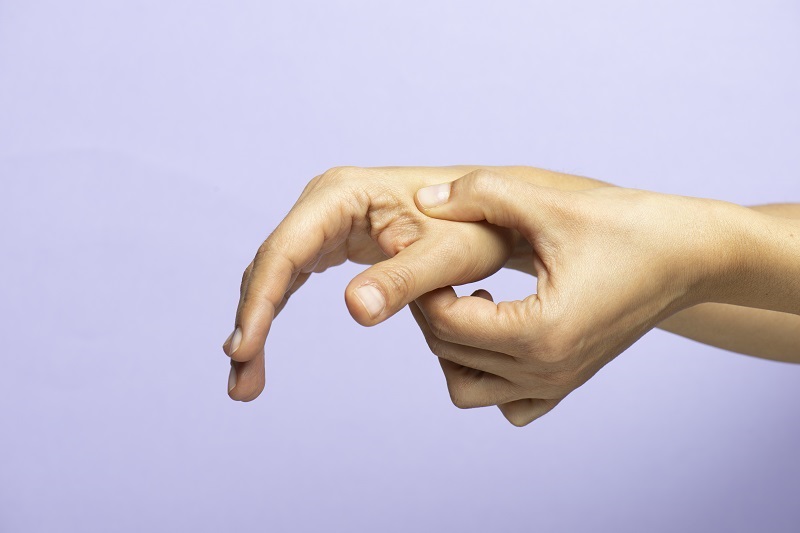
Acupressure is an ancient healing technique that continues to gain recognition in modern wellness circles. Rooted in traditional Eastern medicine, it relies on manual pressure applied to specific points on the body to stimulate healing, relieve pain, and restore balance. Unlike medication-based treatments, acupressure works with the body’s own systems, encouraging natural recovery without invasive procedures.
This article explores the scientific principles behind acupressure, how it influences the nervous system, and why it is increasingly supported by modern research.
Understanding Acupressure: A Brief Overview
Acupressure originated thousands of years ago as part of traditional healing practices. It is closely related to acupuncture but does not use needles. Instead, fingers, thumbs, elbows, or specialized tools apply pressure to precise points known as acupoints.
These points lie along pathways often referred to as energy channels, which are believed to connect organs and systems throughout the body. When these channels become blocked or imbalanced, discomfort or illness may occur.
Key Principles of Acupressure
- The body contains interconnected pressure points
- Applying pressure stimulates internal healing mechanisms
- Balance within the body promotes overall wellness
- Physical and emotional health are deeply connected
The Biological Science Behind Acupressure
While acupressure originated from traditional frameworks, modern science provides insight into how it works at a physiological level.
Activation of the Nervous System
When pressure is applied to acupoints, sensory nerve fibers are stimulated. These signals travel to the brain and spinal cord, triggering responses that influence pain perception, muscle tension, and stress levels.
Scientific studies suggest that acupressure may:
- Interrupt pain signals before they reach the brain
- Activate the parasympathetic nervous system
- Promote relaxation and recovery
Release of Natural Pain Relievers
One of the most documented effects of acupressure is the release of endorphins, the body’s natural pain-relieving chemicals. These compounds help reduce discomfort and create a sense of well-being.
Additional biochemical responses include:
- Increased serotonin production
- Regulation of cortisol levels
- Improved hormonal balance
Improving Blood Circulation and Oxygen Flow
Applying pressure to specific points encourages localized blood flow, which delivers oxygen and nutrients to tissues while removing metabolic waste.
Improved circulation can lead to:
- Faster muscle recovery
- Reduced inflammation
- Enhanced joint flexibility
- Better skin and tissue health
This circulatory boost plays a vital role in the body’s ability to heal naturally.
Acupressure and the Mind-Body Connection
Mental and emotional states strongly influence physical health. Acupressure supports this connection by addressing stress, anxiety, and emotional tension stored in the body.
Stress Reduction and Emotional Balance
Stimulation of calming acupoints helps regulate the stress response, lowering heart rate and easing mental strain. Regular practice has been associated with:
- Reduced anxiety levels
- Improved sleep quality
- Enhanced emotional stability
- Better focus and mental clarity
Conditions Commonly Supported by Acupressure
Acupressure is widely used as a complementary approach for various health concerns. While it is not a replacement for medical care, many people experience noticeable relief.
Common applications include:
- Headaches and migraines
- Neck, shoulder, and back pain
- Digestive discomfort
- Menstrual cramps
- Fatigue and low energy
- Motion sickness and nausea
Why Acupressure Is Considered a Natural Healing Method
Acupressure aligns with natural healing because it:
- Requires no drugs or chemicals
- Encourages self-care and awareness
- Supports the body’s innate repair mechanisms
- Can be practiced safely at home with guidance
Its non-invasive nature makes it accessible to people of all ages and fitness levels.
Practicing Acupressure Safely
While acupressure is generally safe, proper technique matters.
Best practices include:
- Applying firm but comfortable pressure
- Holding points for 30 seconds to 2 minutes
- Breathing slowly during application
- Avoiding injured or inflamed areas
- Consulting a professional for chronic conditions
Consistency is more important than force when it comes to effectiveness.
The Growing Scientific Acceptance of Acupressure
Modern research continues to explore acupressure’s benefits, particularly in pain management and stress reduction. Clinical studies have demonstrated positive outcomes in both hospital and home settings, contributing to its integration into holistic wellness programs worldwide.
As scientific understanding deepens, acupressure is increasingly viewed as a bridge between traditional wisdom and modern healthcare.
Frequently Asked Questions (FAQ)
1. How long does it take for acupressure to show results?
Some people feel relief immediately, while others notice gradual improvements after several sessions.
2. Can acupressure be practiced daily?
Yes, gentle daily practice is generally safe and often recommended for stress management and chronic discomfort.
3. Is acupressure suitable for children and older adults?
When applied gently, acupressure can be safe for most age groups, though professional guidance is advised.
4. Does acupressure work for emotional stress?
Yes, many acupoints are linked to relaxation and emotional balance, helping reduce stress and anxiety.
5. Are there any side effects of acupressure?
Side effects are rare but may include temporary soreness or mild fatigue after sessions.
6. Can acupressure replace medical treatment?
Acupressure is best used as a complementary approach and should not replace professional medical care.
7. Do I need special tools to practice acupressure?
No, most techniques can be performed using fingers, thumbs, or hands without any equipment.
By understanding the science behind acupressure, it becomes clear why this ancient practice remains relevant today. Its ability to support natural healing, backed by growing scientific evidence, makes it a valuable addition to modern wellness routines.
