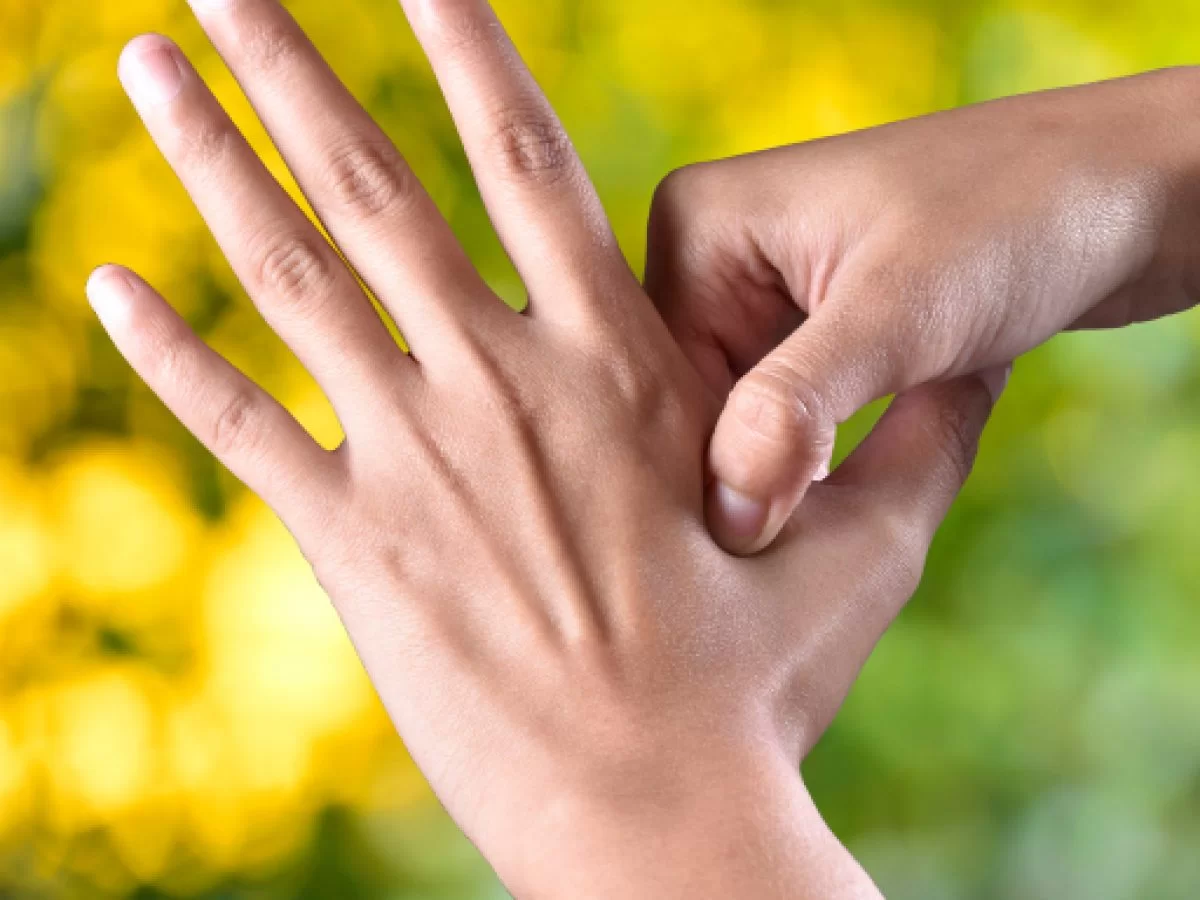
Acupressure is a simple yet powerful self-care practice that uses targeted pressure on specific points of the body to promote balance, ease discomfort, and support overall health. These points can be stimulated anywhere—at home, at work, or while traveling—making acupressure an accessible tool for daily wellness.
Learning a few essential acupressure points allows you to support your body naturally, improve energy flow, and manage everyday stress before it builds into bigger issues.
Why Acupressure Works for Everyday Health
Acupressure works by stimulating nerve endings, improving circulation, and encouraging the release of the body’s natural pain-relieving and mood-balancing chemicals. When practiced consistently, it helps maintain physical and mental equilibrium.
Daily benefits include:
- Reduced muscle tension
- Improved digestion
- Better sleep quality
- Enhanced focus and mental clarity
- Greater emotional balance
Essential Acupressure Points for Daily Wellness
Below are some of the most effective and beginner-friendly acupressure points that support whole-body health.
LI4 (Hegu) – Stress and Headache Relief
Located in the webbing between the thumb and index finger, LI4 is one of the most widely used acupressure points.
Benefits:
- Relieves headaches and facial tension
- Reduces stress and anxiety
- Supports immune health
Apply firm pressure for 30–60 seconds while breathing deeply.
ST36 (Zusanli) – Energy and Digestion Support
ST36 is found about four finger-widths below the kneecap, slightly to the outer side of the shin.
Benefits:
- Boosts energy and stamina
- Aids digestion and gut health
- Strengthens overall vitality
This point is excellent for combating fatigue and maintaining daily endurance.
PC6 (Neiguan) – Calm and Nausea Relief
Located on the inner forearm, about three finger-widths below the wrist crease, PC6 is known for its calming effects.
Benefits:
- Reduces nausea and motion sickness
- Eases anxiety and emotional tension
- Supports heart and chest comfort
Gentle, steady pressure works best for this sensitive area.
LV3 (Taichong) – Emotional Balance and Tension Release
LV3 is located on the top of the foot, in the space between the big toe and second toe.
Benefits:
- Eases irritability and emotional stress
- Relieves muscle tightness
- Supports hormonal balance
This point is especially helpful during periods of mental overload.
GB20 (Feng Chi) – Neck Pain and Mental Clarity
Found at the base of the skull, in the hollow areas on either side of the neck muscles, GB20 is ideal for modern lifestyles.
Benefits:
- Relieves neck and shoulder tension
- Reduces eye strain
- Improves mental alertness
Applying pressure here after long screen time can provide quick relief.
How to Practice Acupressure Effectively
Consistency and awareness matter more than strength when practicing acupressure.
Best practice tips:
- Apply steady, comfortable pressure
- Hold each point for 30 seconds to 2 minutes
- Breathe slowly and deeply
- Practice on both sides of the body
- Stop if you feel sharp pain or discomfort
Short daily sessions can be more beneficial than occasional long ones.
Integrating Acupressure into Your Daily Routine
Acupressure fits easily into everyday life. You can:
- Stimulate points in the morning to boost energy
- Use calming points during stressful moments
- Practice before bed to support relaxation and sleep
Over time, these small habits can lead to noticeable improvements in well-being.
Frequently Asked Questions (FAQ)
1. How many acupressure points should I use in one session?
Using two to five points per session is usually sufficient for daily wellness.
2. Can acupressure be practiced while sitting or lying down?
Yes, most acupressure points can be stimulated in comfortable seated or lying positions.
3. Is acupressure safe during pregnancy?
Some points should be avoided during pregnancy, so professional guidance is recommended.
4. Should acupressure be done before or after meals?
For digestion-related points, waiting at least 30 minutes after meals is ideal.
5. Can acupressure help with poor sleep habits?
Certain points promote relaxation and can support better sleep when practiced regularly.
6. How much pressure is considered effective?
Pressure should feel firm but not painful; mild soreness is normal, sharp pain is not.
7. Do I need training to practice basic acupressure?
Basic acupressure can be learned easily, though advanced techniques benefit from expert instruction.
By knowing and using these essential acupressure points, you can take an active role in supporting your daily wellness. With consistent practice, acupressure becomes a natural, empowering way to maintain balance and resilience in everyday life.
