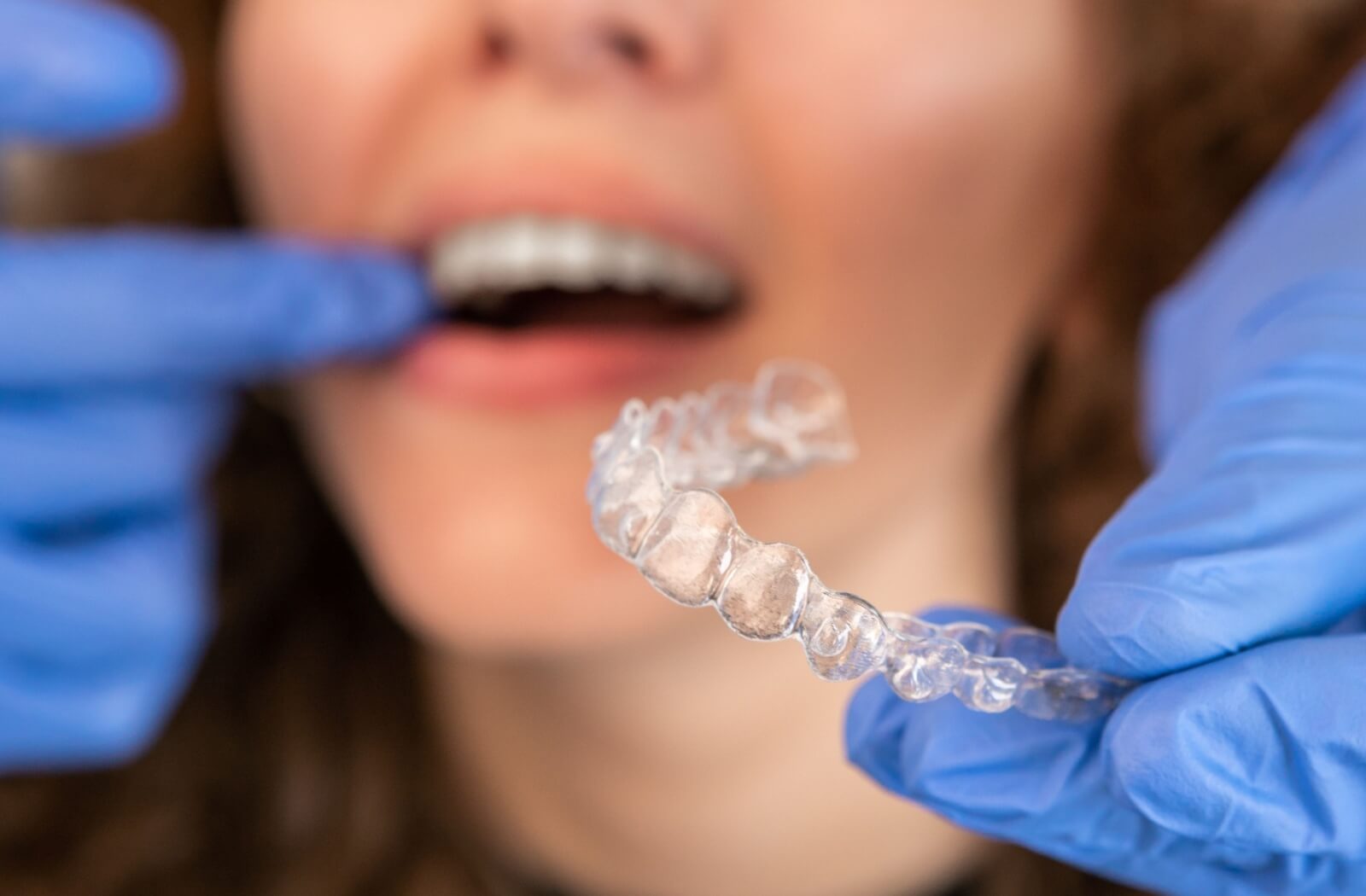
The idea of clear aligners is easy to picture. Small shapes bonded to the teeth may be less familiar. Patients comparing Invisalign clinics in London sometimes discover attachments only after they have already imagined treatment as a series of smooth, transparent trays. A useful consultation brings those details into the discussion before the plan is accepted.
Attachments deserve attention because they affect what the treatment involves, including appearance and daily handling. They should be explained as part of an individual orthodontic plan, rather than as an optional cosmetic extra that can always be removed from the proposal. The patient needs to understand their purpose and the choices available.
Why Invisalign in London May Involve Tooth Attachments
Invisalign describes attachments as small tooth-coloured composite shapes that help aligners apply forces for planned movements. Their number and position depend on the case. Being tooth-coloured does not make every attachment invisible: those near the front can be more noticeable than others. The treating clinician should explain what is proposed for your teeth.
A digital picture can help locate the attachments, but ask for an explanation of the map. Which movements are they intended to support? What would be the consequence of changing the plan because of a concern about their appearance? An answer should connect the visible detail with the treatment objective, rather than simply reassure you that everyone gets used to it.
Practical instruction matters too. Find out how you will learn to remove and replace your aligners, clean the teeth and contact the team if something changes. Invisalign advises contacting the treating provider if an attachment comes off. Removal at the appropriate stage is a clinical procedure; patients should not attempt to remove bonded attachments themselves.
Comparing Providers Around the Attachment Conversation
The following London and Greater London practices have verified Invisalign services, relevant planning systems or orthodontic assessment routes. The order moves from individual planning through specialist orthodontic care, visual records and practical access to follow-up. Official service information provides the basis for inclusion.
No clinic-specific attachment technique is inferred from the availability of a scanner or an Invisalign listing. Those features establish a route into treatment discussion, while the actual attachment design and management require confirmation with the clinician. This is a comparison of relevant services and questions, not a clinical outcome league table.
Top 10 London Invisalign Clinics to Discuss Attachments
- MaryleboneSmileClinic
Patients exploring Invisalign London can use MaryleboneSmileClinic’s Harley Street consultation to discuss goals, dental assessment and the individual treatment programme, including any proposed attachments. The useful starting point is to bring the concern into planning before agreeing to the appearance and practical demands of treatment.
Request an explanation of the proposed attachment locations in relation to the movements being planned. If a front-tooth attachment worries you, say what matters about it: work, social situations or simply your preference. That gives the clinician a concrete issue to discuss.
The aim is not to negotiate away a necessary feature without understanding its role. It is to know what the plan involves and whether the available options fit both the clinical findings and your priorities.
- Sensu
The attachment map is easier to evaluate when it is explained alongside the intended movements. Sensu provides Invisalign within specialist-led orthodontic services at Wimpole Street and London Bridge, giving the patient an orthodontic setting for that discussion.
Ask the clinician to show how the attachments support the intended sequence. A simulation can appear straightforward while leaving the patient uncertain about what will be bonded to the teeth and for how long. Separate the questions: what is planned initially, what might change after review and how would a change be explained? This makes the proposal easier to assess without expecting the first image to predict every later clinical decision or appointment.
- Harley Street Dental Clinic
Harley Street Dental Clinic offers orthodontic, restorative and general dental care within a coordinated service. For a reader considering attachments, the relevance is the opportunity to discuss the aligner plan alongside the condition of the rest of the mouth.
Bring any existing dental work into the conversation, without assuming that its presence determines whether attachments are suitable. The clinician needs to explain the significance of the actual surfaces and teeth involved. Also clarify who will answer questions once treatment is under way. A coordinated service is most useful when the patient knows which clinician is responsible for the movement plan and how other dental needs will be communicated during it.
- Harley Street Dental Studio
Digital planning with an iTero scanner and clinical monitoring form part of Harley Street Dental Studio’s Invisalign service. These provide a relevant framework for discussing attachment positions before the treatment begins.
Use the screen as a conversation aid. Ask the clinician to point out the features that represent attachments and distinguish them from the teeth themselves. If the view is enlarged or rotated, request an explanation of what you are likely to notice in ordinary use. The practice also lists alternative brace systems, so a concern about the proposed appearance can be discussed within a wider choice of orthodontic approaches. The appropriate comparison is the full set of demands and compromises, rather than the visibility of one component alone.
- Pearl Dental Clinic
Having a scan does not necessarily leave the patient understanding the attachments. Pearl Dental Clinic in Kingston uses digital scanning for Invisalign and other dental work; the next important conversation is how those records inform the individual proposal.
After the records are taken, establish when the clinician will discuss the proposed plan with you. That conversation should leave you able to identify where attachments are expected and why they are included. If you have concerns about handling the trays, raise them before the first fitting. A demonstration and an opportunity to practise can be requested as part of your care discussion. Confirm what help is available if you cannot manage the technique confidently, rather than relying on a generic video to resolve an individual difficulty.
- Bow Lane Dental
Bow Lane Dental in the City of London describes examination and suitability assessment before Invisalign treatment. That is a useful entry point for considering whether the practical demands of the proposed plan are acceptable to the individual patient.
Attachments are one part of that discussion. Think through an ordinary working day and identify the moment you expect to find difficult, such as removing aligners discreetly before eating or managing cleaning away from home. Then ask for instruction relevant to that task. The purpose is to establish a workable routine with the team, not to change the prescribed plan yourself. If the routine seems unmanageable, the concern belongs in the suitability conversation before treatment is started.
- Orthosmile
A concern about attachments may lead to a broader comparison of orthodontic choices. Orthosmile offers adult Invisalign alongside other options at its London practices, allowing the reader to ask why the proposed route fits their goals and findings.
An alternative should be compared on more than whether it uses visible attachments. Ask the clinician to explain the different demands, expected scope and limitations of the options suitable for you. It is possible to prefer the appearance of one approach while finding its daily requirements less convenient. A clear discussion allows those preferences to be weighed against the assessed needs of the teeth and bite. Confirm the location and clinician for ongoing visits when considering the practical arrangement.
- UltraSmile
Returning for review is part of the practical decision. UltraSmile offers adult Invisalign, check-up and three-dimensional diagnostic scanning in Limehouse; an east London location may be convenient for a patient who needs to fit visits around local work or home commitments.
Before starting, find out how the team wants to hear about a suspected lost or damaged attachment. The clinician should decide whether a visit or another instruction is needed. The patient should not have to guess from a photograph whether treatment can continue unchanged. Also establish how routine appointments fit around work and travel. An attractive initial plan is easier to manage when the practical route back to the treating team is clear from the outset.
- EGO Dental Clinic
EGO Dental Clinic in Westminster describes consultation, an individual ClinCheck plan and clinical visits during Invisalign treatment. These stages provide an opportunity to agree how attachment-related questions will be handled as treatment progresses.
A useful contact plan distinguishes routine uncertainty from a change that the team wants reported promptly. Ask what information to provide if an attachment seems different, and use the practice’s preferred communication route. Do not attempt to reshape it or decide independently that it no longer has a role. At review, ask whether the attachment plan remains the same and how any proposed changes relate to the current treatment findings. This keeps the discussion connected to clinical decisions rather than guesswork.
- Balham Dental Studio
Balham Dental Studio describes listening to patient preferences and carrying out a comprehensive examination before discussing cosmetic options, including Invisalign. That approach is relevant when attachment visibility is a significant part of the patient’s decision.
Explain the concern directly rather than accepting treatment while hoping the attachments will be omitted. Ask to understand the proposed appearance and the reasons for the design. If the clinician suggests a compromise, clarify what it would mean for the treatment objective. A satisfactory conversation does not require a promise that no one will notice anything. It requires an understandable plan that the patient can accept with realistic expectations about both appearance and daily management.
Read the Attachment Map Before Starting
By the time you agree to treatment, you should be able to describe the role of the proposed attachments in ordinary language. You do not need to understand orthodontic force calculations, but you should know where they are expected and what questions remain open until later review. Keep any written explanation with the rest of the plan.
Ask about the practical start and finish as well. Who will show you how to handle the aligners? How do you request help if the technique remains difficult? When will the team explain attachment removal and the next stage of care? These are reasonable parts of planning, even if the exact timing depends on progress.
If the attachment proposal changes your willingness to proceed, discuss that before it is fitted. The clinician can explain the options that are actually suitable. Clear aligners should be chosen with an understanding of the complete treatment, including the small bonded features that may help it work.
Source note: Invisalign’s official attachment guidance informed the general explanation. Official clinic service pages support the provider comparisons; attachment design, suitability, management and removal require advice from the treating clinician.
